The gray figure
ReportedSeen: Room 24
A shadowy standing figure by the bed, described in a named guest's 1966 letter.
Hotel · You can stay here
48 Monument Square, Concord, MA 01742
Concord's Colonial Inn stands on Monument Square in Concord, Massachusetts, and is still open, with 56 rooms. Its oldest part was built about 1716, and Henry David Thoreau lived there in the 1830s. Its ghost story begins in June 1966, when honeymooner Judith Fellenz wrote to the innkeeper that she had woken in Room 24 to see "a grayish figure at the side of my bed." The tale that Room 24 was a Revolutionary War operating room where many soldiers died has no record behind it.
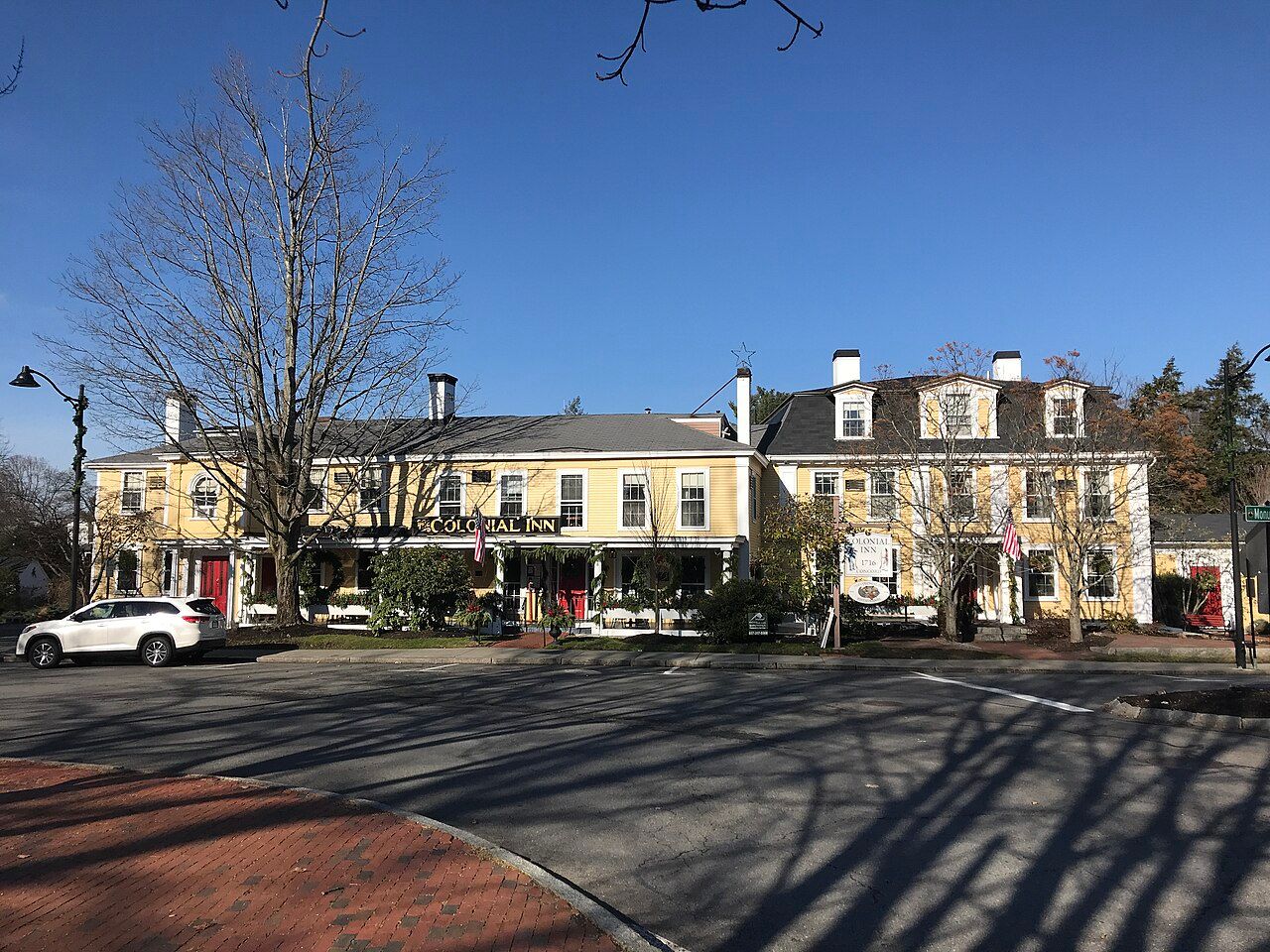
The inn's history is well documented: three older houses on the square, the oldest built about 1716 by the Minot family, joined as a hotel between 1889 and 1897. It's part of the Concord Monument Square-Lexington Road Historic District, on the National Register since 1977.
The ghost material rests on one named account: Judith Fellenz's 1966 letter, which the inn publishes. Later reports of a nurse called Rosemary, soldiers and a man in a top hat come from unnamed guests. The story that Room 24 was Dr. Timothy Minot's operating room, where patients "died on the table," is told by Historic Hotels of America and travel lists, but the National Park Service records only two militiamen killed at the North Bridge, both instantly.
What we checked:Documented history × 8Published account × 2Disputed × 2Unverified × 1See each claim
Seen: Room 24
A shadowy standing figure by the bed, described in a named guest's 1966 letter.
Seen: Room 24
A nurse and wounded soldiers, tied to an operating room with no record behind it.
Seen: Sitting room
A tall, slim man with an older woman; some guess Thoreau. No witness named.
Seen: Hall near Room 24
A child running in the hallway. No name or story behind her.
In June 1966 M.P. and Judith Fellenz of Highland Falls, New York, spent their honeymoon in Room 24, on the second floor of the Main Inn. Afterward Mrs. Fellenz wrote to the innkeeper, Loring Grimes. "I was awakened in the middle of the night by a presence in the room," she wrote. "As I opened my eyes, I saw a grayish figure at the side of my bed about four feet away. It was not a distinct person, but a shadowy mass in the shape of a standing figure." It floated to the foot of the bed, in front of the fireplace, and "slowly melted away." She added: "I was so frightened I could not scream." The inn calls this its first reported ghost sighting.
Guests have since described flickering lights, whispers from the closet and the feeling of being tucked in, and Historic Hotels of America tells of a middle-aged woman "supposedly a nurse named Rosemary" and wounded soldiers in Room 24. The inn lists a woman writing at a guestroom desk, a little girl running in the hall near Room 24, a Redcoat at the bar, and an older woman and a tall, slim man holding a top hat in the sitting room; some guess he's Thoreau. None of these witnesses is named. The TAPS team from Syfy's Ghost Hunters investigated the inn.
Historic Hotels of America says Dr. Timothy Minot used today's Liberty Room as a hospital after the fight at the North Bridge on April 19, 1775, and that Room 24 was his operating room. Other retellings add that "several patients died on the table." The National Park Service counts two militiamen killed at the bridge, both instantly, and four wounded, who "staggered to nearby homes for care." We found no record that anyone died at the inn. A further version, about a Native American woman, has no facts behind it.
We haven’t confirmed this with the hotel yet.
Second floor of the Main Inn; where the 1966 sighting happened. Ask by phone.
Ask when you book: nothing is guaranteed until the hotel agrees.
The inn joins three older buildings. The east house was built about 1716 for the Minot family; Dr. Timothy Minot built the center one before 1775, when it held militia arms and supplies, which the British marched on Concord to destroy. In 1799 the east house was sold to John Thoreau, grandfather of Henry David Thoreau, and Henry lived there with his aunts from 1835 to 1837 while at Harvard; it later ran as a boarding house called the Thoreau House.
In 1889 John Maynard Keyes bought the east and center houses and opened a hotel, and in 1897 he added the west house and joined all three. It took its present name around 1900. The Prescott Wing added 32 rooms in 1960 and the Merchants Row dining room followed in 1970. Hotelier Jurgen Demisch bought the inn in 1988, and Michael and Dorothy Harrington of Beverly bought it in 2015. It joined Historic Hotels of America in 2005 and celebrated its 300th anniversary in 2016.
1716
The first house
April 19, 1775
Arms stored for the militia
1799
The Thoreaus buy it
1835
Thoreau lives here
1889
A hotel opens
1897
Three houses joined
June 1966
The Fellenz letter
September 13, 1977
National Register listing
What each story about Concord's Colonial Inn rests on. A published account shows that someone reported an experience, not what caused it.
The east house, the oldest part of the inn, was built for the Minot family.
Sources differ on which James Minot.
The center building held militia arms and supplies before the British march on Concord.
Honeymooner Judith Fellenz wrote that she woke in Room 24 to see a grayish figure beside her bed.
Her letter, published by the inn.
Dr. Timothy Minot used Room 24 as an operating room for wounded soldiers, many of whom died there.
No record found; only two militiamen died at the North Bridge, both instantly.
The inn was named one of Historic Hotels of America's most haunted hotels.
We haven't confirmed it with the hotel yet. Ask when you book: nothing is guaranteed until the hotel agrees.
The most reported areas are: Room 24, second floor of the Main Inn.
Its best-known account is a named guest's 1966 letter describing a gray figure beside her bed in Room 24. Later stories of nurses, soldiers and a man in a top hat come from unnamed guests.
In June 1966 honeymooner Judith Fellenz woke to see "a grayish figure at the side of my bed," which floated to the foot of the bed and melted away. She described it in a letter to the innkeeper.
Historic Hotels of America says so, but we found no record of it. The National Park Service counts two militiamen killed at the North Bridge, both instantly, and four wounded.
Yes. His grandfather John Thoreau bought the east house in 1799, and Henry lived there with his aunts from 1835 to 1837 while at Harvard.
No guest accounts yet. If you've stayed here, yours could be the first.
Share your experiencePage last reviewed November 20, 2026.
Check room prices and availability for your dates.
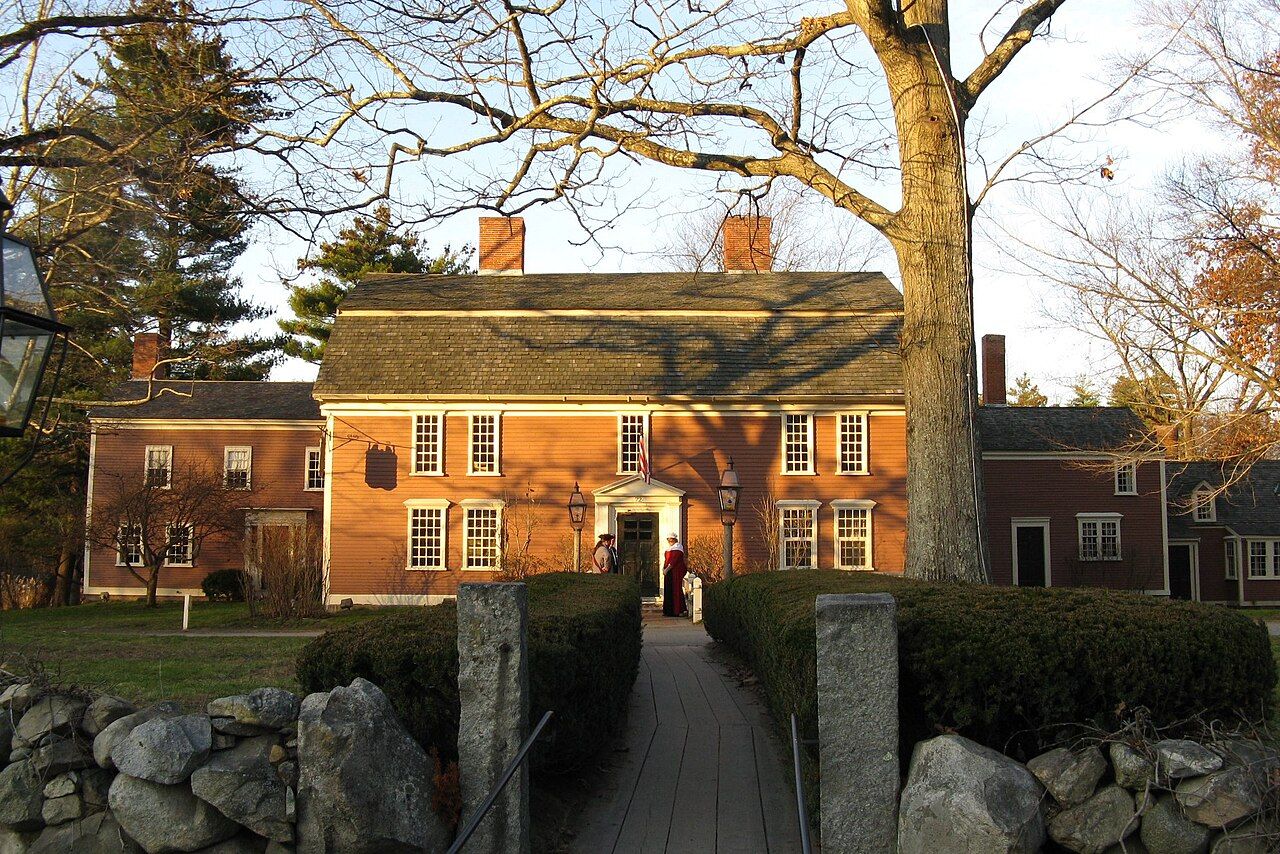
A 10-room inn on the Old Boston Post Road, licensed in 1716 and made famous by Longfellow. Its ghost, Jerusha Howe, is said to wait in Room 9 for a fiance; she died of tuberculosis, and the inn's own historians found no fiance.
Check prices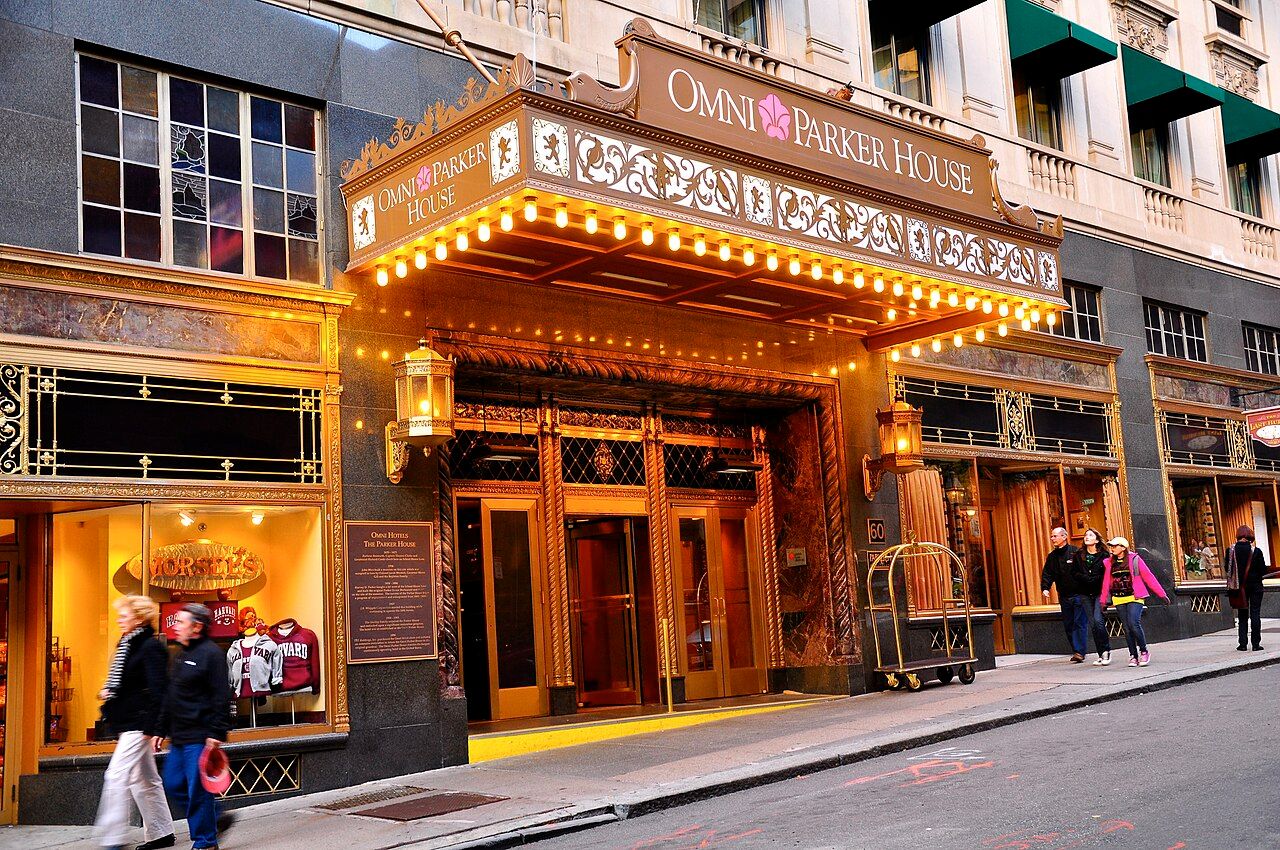
Boston's grand hotel on the Freedom Trail, open since 1855 and rebuilt in 1927. Its founder is said to walk the 10th floor; the best accounts come from a named manager and a journalist.
Check prices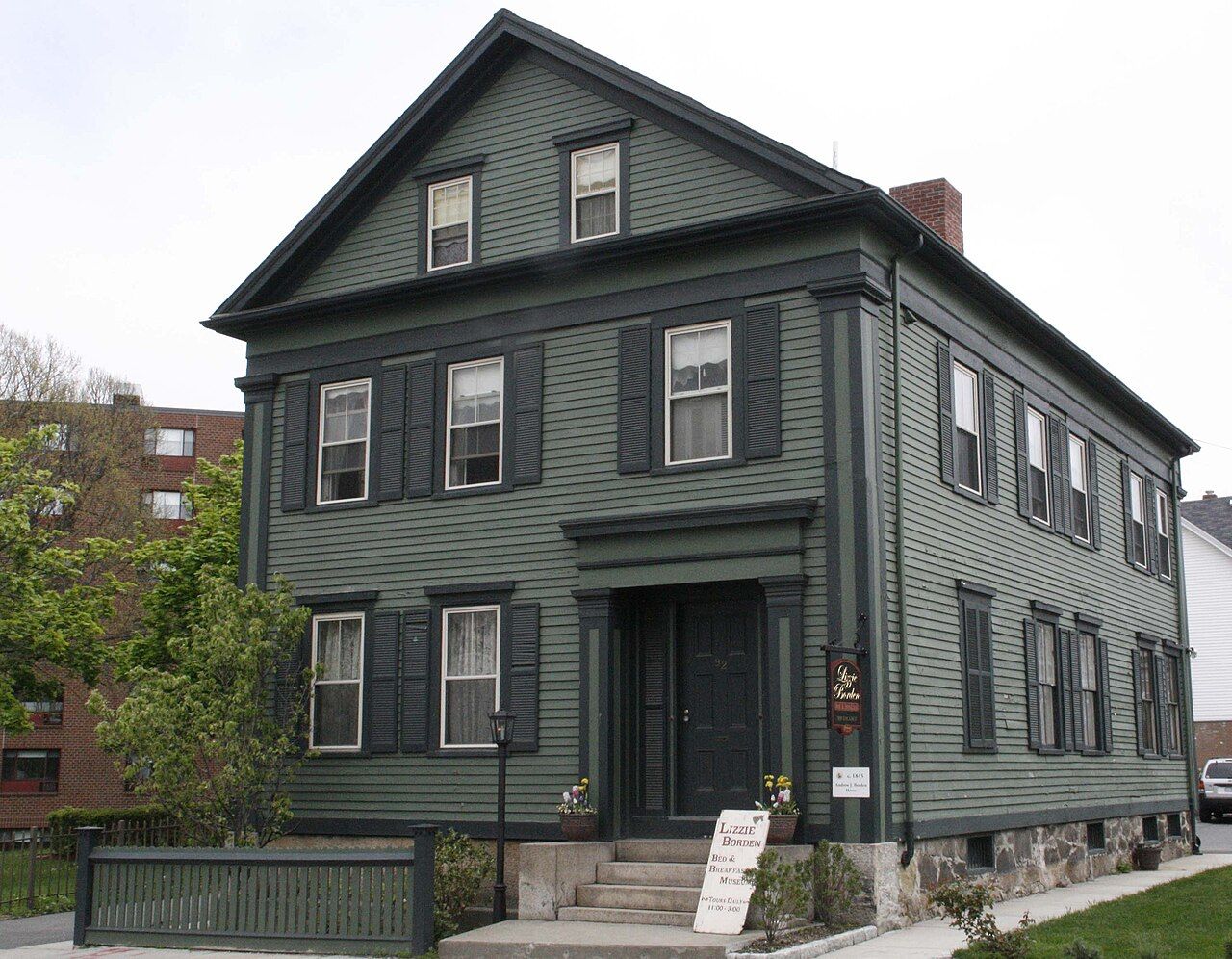
The Fall River house where Andrew and Abby Borden were killed in 1892, now a bed and breakfast and museum with six rooms. The murders are real and unsolved; the hauntings rest on staff and owners.
Check prices