The dancer
LegendSeen: Orleans Ballroom
A woman dancing alone. Promoted by the hotel; no named witness.
Hotel · You can stay here
717 Orleans St, New Orleans, LA 70116
The Bourbon Orleans is built around the Orleans Ballroom of 1817, one of the grandest in early New Orleans, which from 1881 was the convent, school and orphanage of the Sisters of the Holy Family, an order of Black nuns. It became a hotel in 1966. Its ghost stories include a woman dancing alone in the ballroom, nuns and orphans, and a Confederate soldier. None has a named witness. The best-known, a nun who died in Room 644, has no record behind it, and the room was built after the convent left.
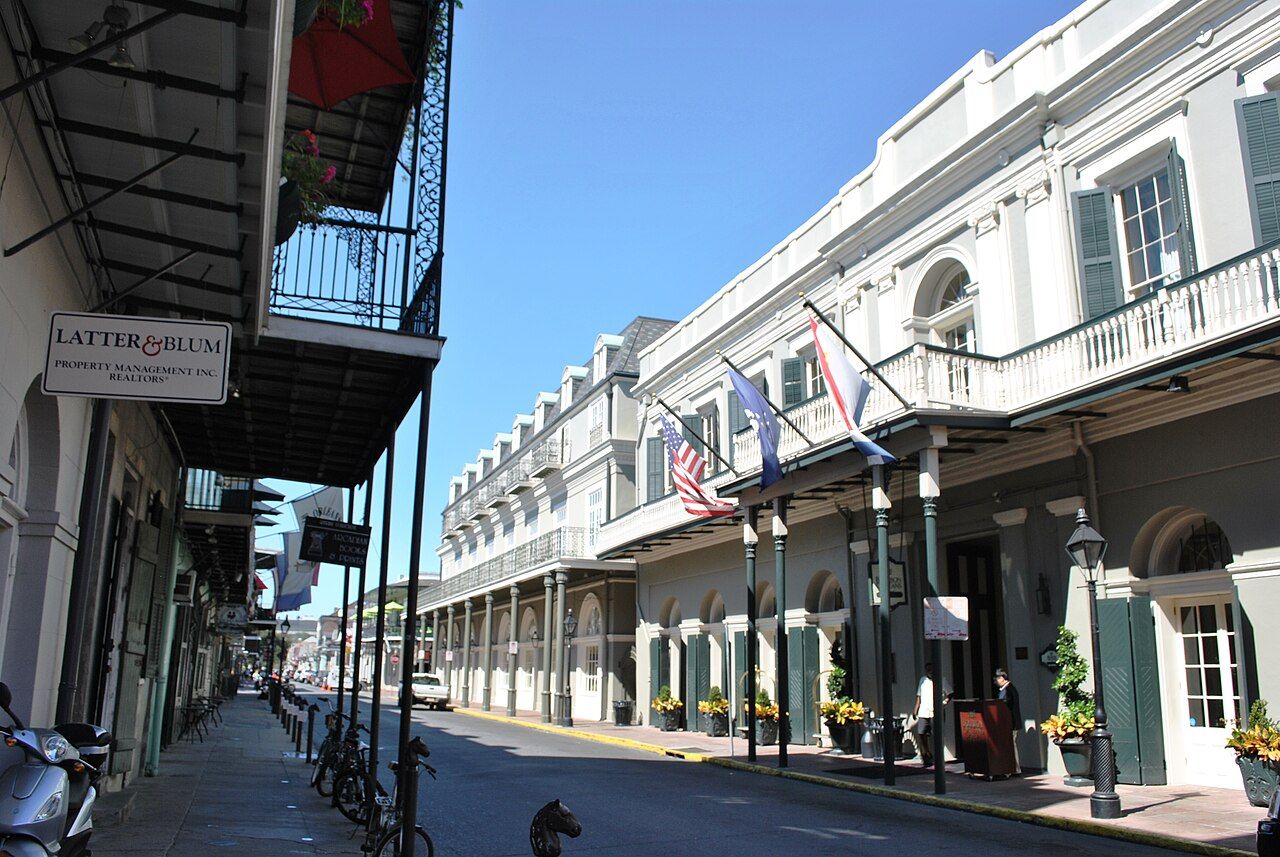
The building's history is well documented: the 1817 ballroom built by John Davis, the Sisters of the Holy Family's convent and school from 1881, and the hotel that opened in 1966. It stands in the Vieux Carré Historic District.
The ghost stories come from the hotel's marketing and tour companies, with no named witness. No record supports the nun's death in Room 644, and the room was built after the Sisters left in the 1960s. There's no evidence the building was a Confederate hospital. The only named stay in Room 644 we found, by author Cheré Dastugue Coen, saw nothing.
What we checked:Documented history × 3Published account × 1Legend × 4Disputed × 1See each claim
Seen: Orleans Ballroom
A woman dancing alone. Promoted by the hotel; no named witness.
Seen: Room 644
Said to have died in the room. No record, and the room postdates the convent.
Seen: Halls
Children's laughter. No documented deaths.
Seen: Halls
A Confederate soldier. No evidence of a hospital here.
A woman is said to dance alone beneath the chandelier in the Orleans Ballroom. The hotel has promoted her since at least 2014, saying she's been seen "over the past two centuries." No witness is named.
The best-known story is of a nun who took her own life in Room 644, where guests report crying and a nun beside the bed. No record supports it, the Sisters of the Holy Family never confirmed it, and the sixth-floor rooms were built after the convent left in the 1960s. Author Cheré Dastugue Coen stayed in the room and saw nothing.
Children are said to be heard laughing and running in the halls, said to be orphans who died of yellow fever. The Sisters did run an orphanage here, but we found no documented deaths.
A Confederate soldier is said to limp through the halls, supposedly from a time when the building was a hospital. There's no evidence it was, and New Orleans was under Union control from 1862.
TV medium Chip Coffey once demonstrated flashlights switching on in the ballroom. It was a staged session, not an independent test.
You can ask, but it isn’t guaranteed.
Linked to the nun story. Request by phone after booking.
Ask when you book: nothing is guaranteed until the hotel agrees.
The Théâtre d'Orléans was begun on the site in 1806. In 1817 John Davis built the Orleans Ballroom beside it, and two years later the architect Benjamin Henry Latrobe judged it the finest in the country. Lafayette was entertained there in 1826. Later writers said it hosted quadroon balls, though others have disputed that.
In 1881 the Sisters of the Holy Family, an order of Black nuns founded in New Orleans in 1842 by Henriette DeLille, bought the building with help from philanthropist Thomy Lafon. They ran a convent there, St. Mary's Academy, a school for Black girls, and an orphanage, using the ballroom as their chapel.
The Sisters sold the building in 1964 and moved out. The hotel opened in 1966 with the ballroom restored and a new wing added. It stands in the Vieux Carré Historic District, has 220 rooms and was renovated in 2025.
1817
The Orleans Ballroom is built
1881
The Sisters buy the building
1966
The hotel opens
What each story about the Bourbon Orleans Hotel rests on. A published account shows that someone reported an experience, not what caused it.
John Davis built the Orleans Ballroom beside the Théâtre d'Orléans.
The architect is disputed.
The Sisters of the Holy Family bought the building and ran a convent, school and orphanage.
Most sources give 1881.
The Sisters sold the building and the hotel opened with the ballroom restored.
A nun took her own life in Room 644 and haunts it.
No record; the room postdates the convent.
A Confederate soldier, treated when the building was a hospital, haunts it.
No evidence of hospital use.
An author stayed in Room 644 and saw nothing paranormal.
You can ask, but it isn’t guaranteed.
The most reported areas are: Room 644 and the sixth floor (ask by phone).
It's known for a dancing woman, nuns and orphans, but none of its ghost stories has a named witness, and its best-known one doesn't fit the building.
A nun is said to have died there. No record supports it, and the room was built after the convent left in the 1960s.
Yes. From 1881 to 1964 it was the convent, school and orphanage of the Sisters of the Holy Family, an order of Black nuns.
It's an event space. Ask at the desk whether you can see it when no event is on.
No guest accounts yet. If you've stayed here, yours could be the first.
Share your experiencePage last reviewed November 21, 2026.
Check room prices and availability for your dates.
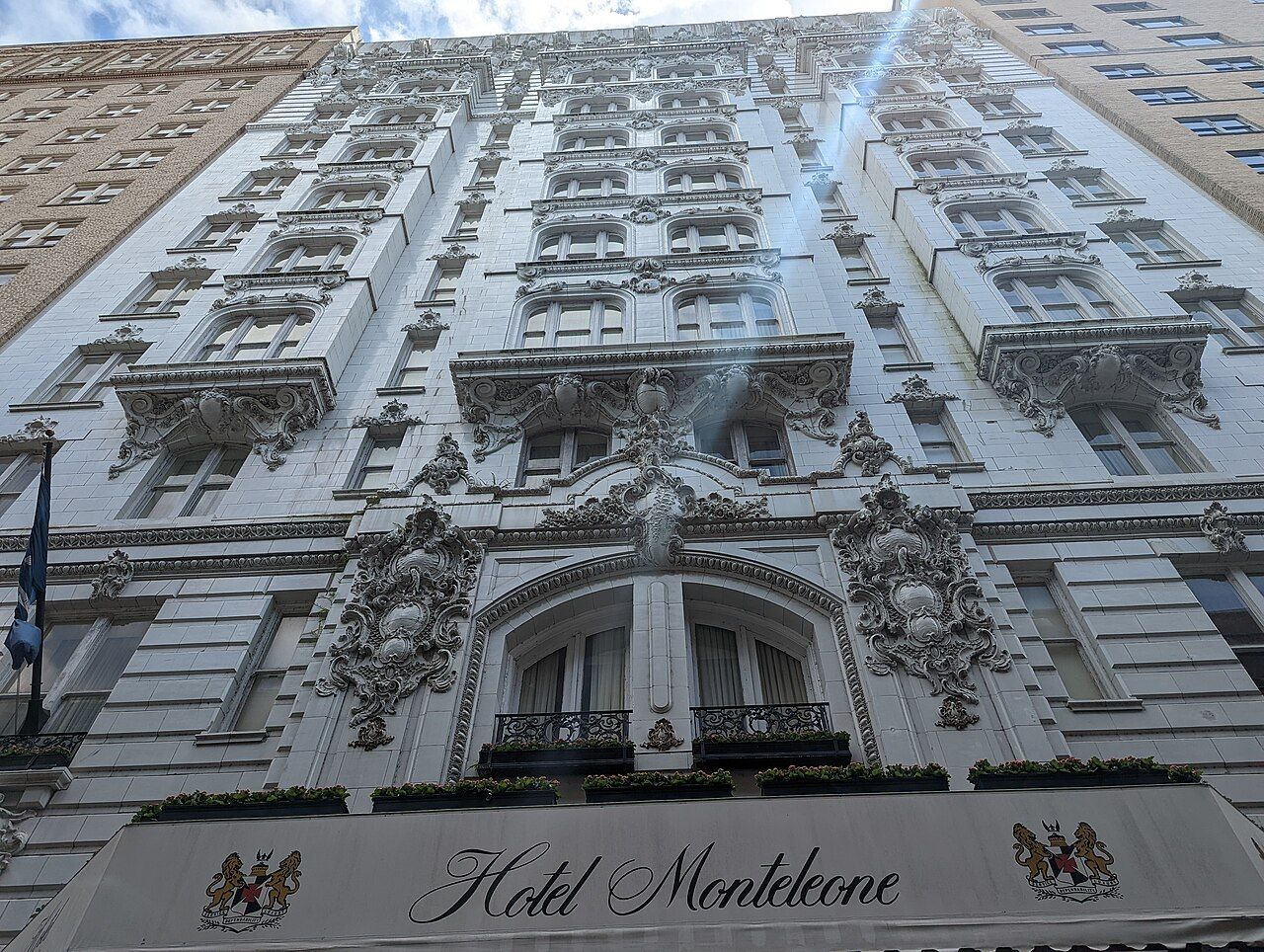
The French Quarter's family-owned grand hotel, home of the revolving Carousel Bar. Its ghost stories, led by a boy called Maurice, come from the hotel and a psychic-led investigation.
Check prices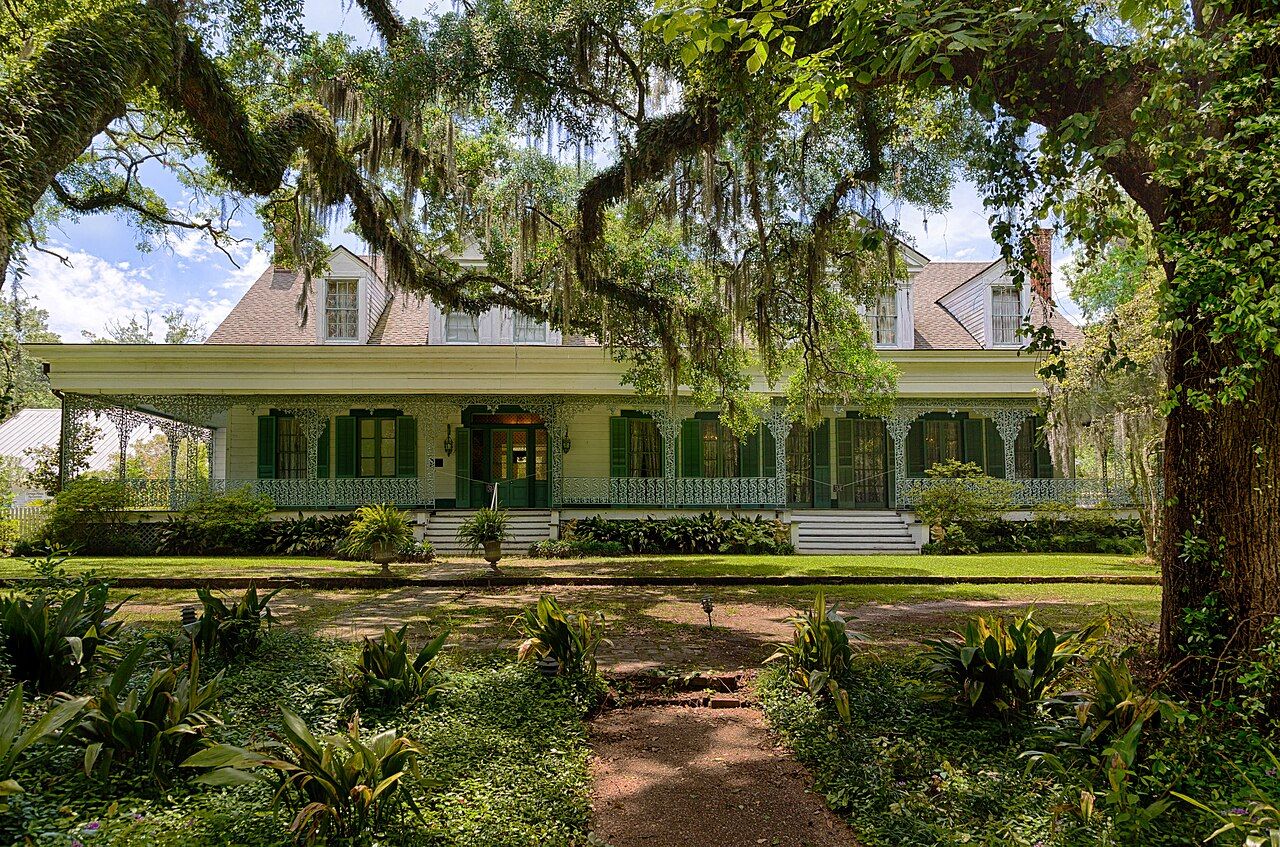
A 1796 Louisiana plantation house, now a bed and breakfast, often called America's most haunted house. Its famous 'Chloe' legend is invented; the enslaved people who worked the plantation are real.
Check prices