The woman in the green turban
ReportedSeen: Main house
Seen by a former owner in 1987. Later merged with the invented Chloe legend.
Historic site · You can stay here
7747 US Highway 61, St. Francisville, LA 70775
The Myrtles is a plantation house near St. Francisville, Louisiana, begun in 1796 and now a bed and breakfast. It's famous for "Chloe," an enslaved woman said to have poisoned the Woodruff family with an oleander cake, and for a mirror said to hold their spirits. Historians have found no record that Chloe existed: Sarah Woodruff and two of her children died of yellow fever in 1823-24. The real history is a plantation worked by enslaved people. William Winter's murder on the gallery in 1871 is on record.
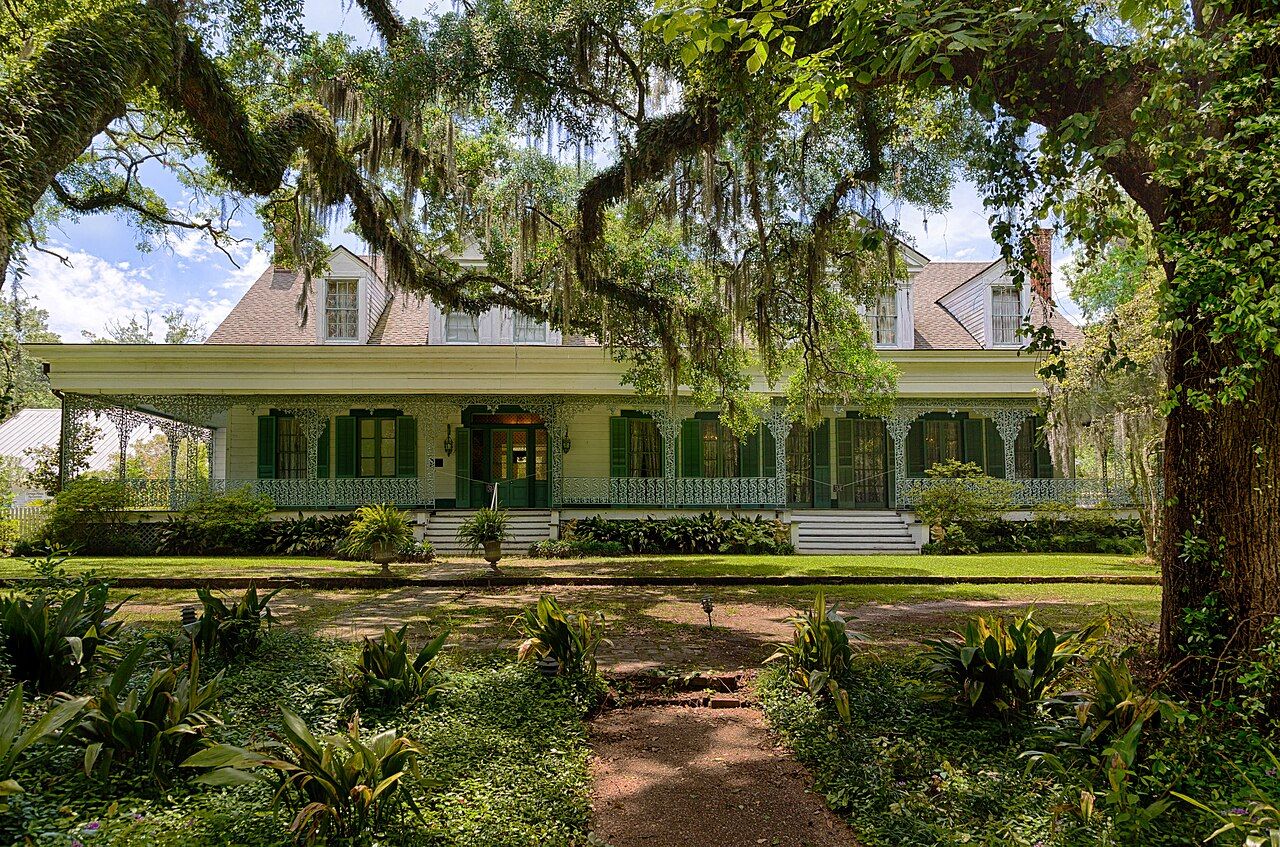
The house's history is documented in its 1978 National Register nomination and in family and burial records, from David Bradford's land grant to the Stirling and Winter families.
The central legend doesn't hold up. No enslaved woman called Chloe or Cleo appears in the Woodruff records, and the deaths she's blamed for were yellow fever spread over two years. Investigator Joe Nickell calls the story "fakelore," and researcher Troy Taylor has traced how it grew. The most credible ghost account is a former owner's: Frances Kermeen Myers described a woman in a green turban beside her bed in 1987.
What we checked:Documented history × 6Published account × 1Legend × 1Disputed × 1Unverified × 1See each claim
Seen: Main house
Seen by a former owner in 1987. Later merged with the invented Chloe legend.
Seen: Throughout
An enslaved woman said to have poisoned the Woodruffs. No record of her; the deaths were yellow fever.
Seen: Main house
Said to hold the Woodruffs' spirits. No named witness.
Seen: Gallery and stairs
Shot on the gallery in 1871; the 17th-step story isn't supported.
The most famous story is of Chloe, an enslaved woman said to have had her ear cut off by Clark Woodruff, then to have poisoned his wife and two daughters with an oleander birthday cake, and to have been hanged by the other enslaved people. Her ghost, in a green turban, is the house's best-known spirit. Historians have found no record of any Chloe or Cleo among the people the Woodruffs held, and the deaths she's blamed for were yellow fever. Investigator Joe Nickell calls her "fakelore." The story makes a lurid invention of real enslaved people's lives; the people who worked this plantation are recorded in the census, not in the legend.
The most credible account is a former owner's. Frances Kermeen Myers described a woman in a green turban and long dress, holding a candlestick, standing beside her bed in 1987, before vanishing. A descendant of a later owning family also recalled her aunts' stories of an older woman in a green bonnet.
A mirror in the house is said to hold the spirits of Sarah Woodruff and her children, leaving handprints, because it wasn't covered after their deaths. No witness is named, and the story depends on the Chloe legend.
William Winter was shot on the gallery in January 1871. The legend says he staggered inside and died on the 17th step of the stairs, and that his footsteps are heard there. A newspaper report at the time says he died where he fell.
The owners' website says Teeta Moss photographed "Chloe" in 1992. The figure has been described as looking more like an older woman.
Yes, you can ask for it when you book.
A historic room in the main house; bookable.
Ask when you book: nothing is guaranteed until the hotel agrees.
Yes, you can ask for it when you book.
Named for the man shot on the gallery in 1871; bookable.
Ask when you book: nothing is guaranteed until the hotel agrees.
David Bradford, a leader of the Whiskey Rebellion who fled to Spanish Louisiana, received a land grant and began the house around 1796-97. After his death in 1808 his son-in-law Clark Woodruff took over the plantation; Woodruff's wife Sarah and two of their children died of yellow fever in 1823-24.
In 1834 Woodruff sold the plantation, with the people enslaved there, to Ruffin Gray Stirling, who renamed it The Myrtles and nearly doubled the house in the 1850s, adding the long front gallery with its cast-iron supports. Stirling's son-in-law William Winter was shot on that gallery in 1871.
The house passed through several owners and was restored from the 1950s. It was listed on the National Register of Historic Places in 1978. In the 1980s Frances Kermeen Myers ran it as a bed and breakfast and wrote a book calling it "America's most haunted house." The Moss family bought it in 1992 and runs it today, with about 20 rooms. Fires in 2014 and 2017 damaged outbuildings but not the main house.
1796
Bradford builds the house
July 21, 1823
Yellow fever deaths
1834
Becomes The Myrtles
January 1871
William Winter is shot
September 6, 1978
National Register listing
What each story about the Myrtles rests on. A published account shows that someone reported an experience, not what caused it.
An enslaved woman, Chloe, poisoned the Woodruffs with an oleander cake.
No record of her; the deaths were yellow fever.
Winter staggered inside and died on the 17th step.
A report at the time says he died where he fell.
[3] (disagrees)
The house was listed on the National Register of Historic Places.
A former owner saw a woman in a green turban beside her bed.
Frances Kermeen Myers, as reported by Troy Taylor.
A fire destroyed the restaurant in an outbuilding; the main house was undamaged.
The Myrtles is said to be haunted by the woman in the green turban, Chloe, the mirror and William Winter.
Yes, you can ask for it when you book.
Yes, you can ask for it when you book.
The most reported areas are: The six historic rooms in the main house (bookable).
It's often called America's most haunted house, and a former owner described seeing a woman in a green turban. Its famous Chloe legend, though, has been shown to be invented.
No record of her has been found. The Woodruff deaths she's blamed for were yellow fever, and investigators call the story fakelore.
Yes. It's a bed and breakfast with about 20 rooms, including six historic rooms in the main house.
A later owner's son-in-law, shot on the house's gallery in January 1871. His killer was never convicted.
No guest accounts yet. If you've stayed here, yours could be the first.
Share your experiencePage last reviewed November 21, 2026.
Check room prices and availability for your dates.
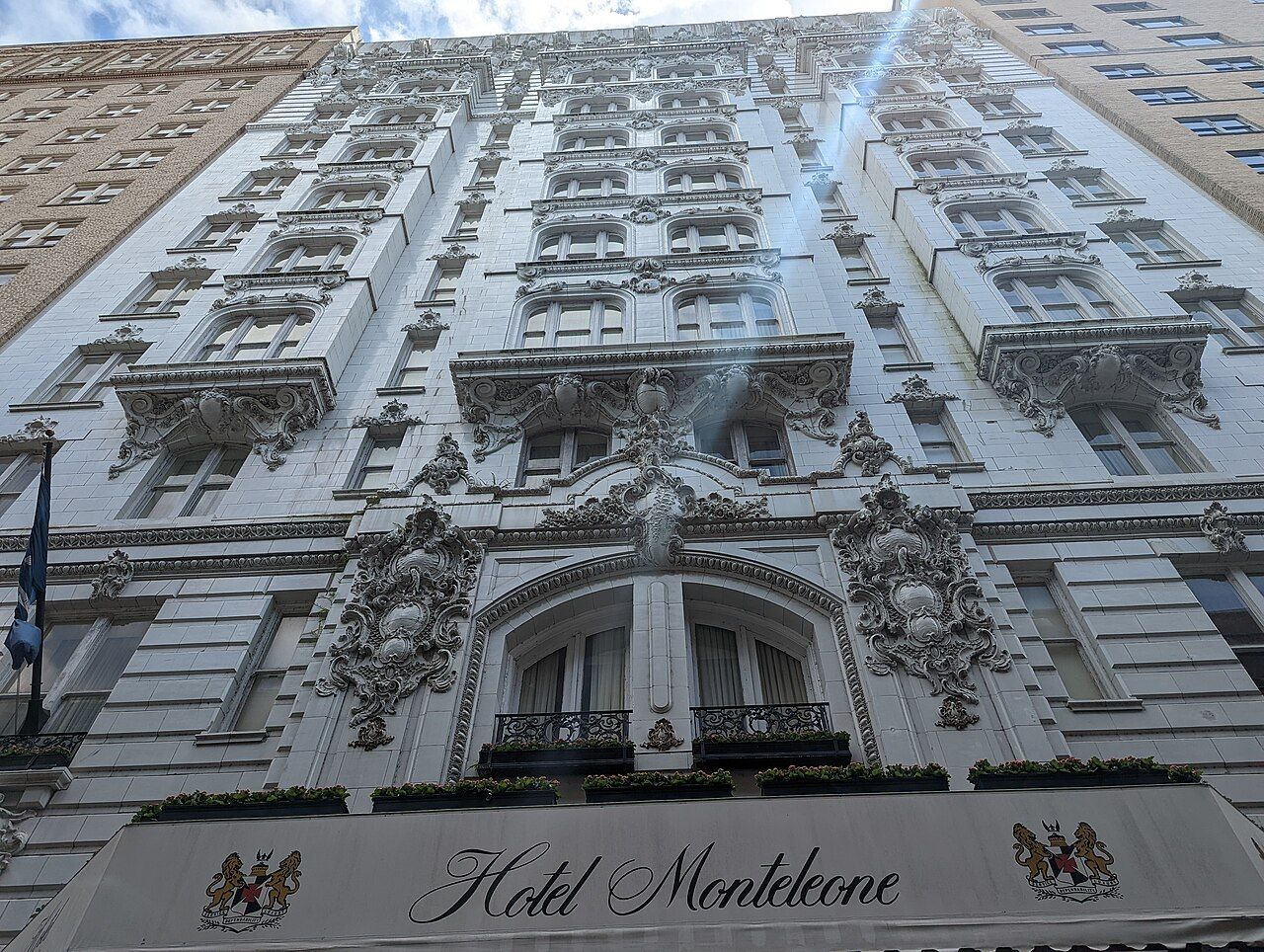
The French Quarter's family-owned grand hotel, home of the revolving Carousel Bar. Its ghost stories, led by a boy called Maurice, come from the hotel and a psychic-led investigation.
Check prices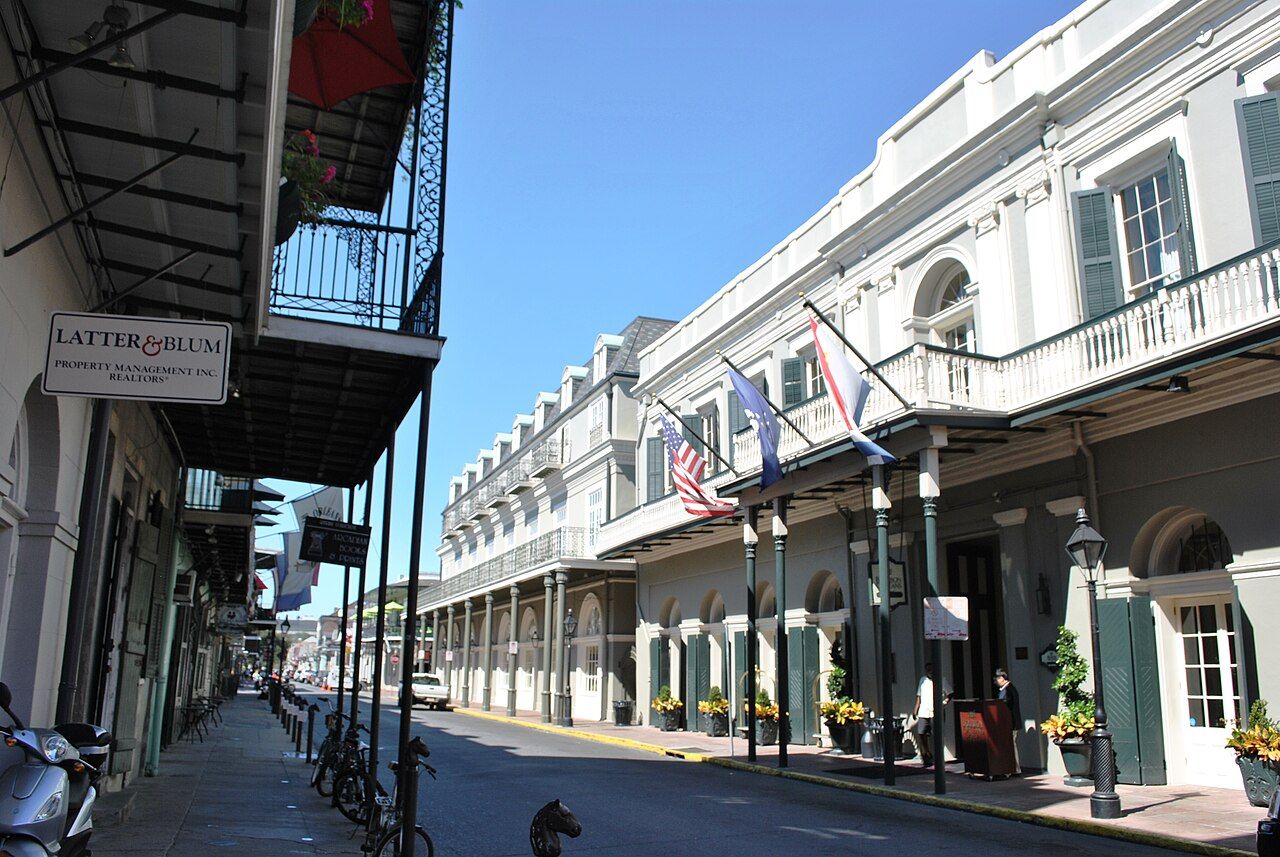
A French Quarter hotel built around the 1817 Orleans Ballroom, which became a convent and school for a century. Its ghost stories have no named witness, and its best-known one doesn't fit the building.
Check prices